




New year will see protein innovation, fiber-maxxing trend & healthspan focus boom
Key takeaways
- Protein and fiber are set to dominate nutrition innovation in 2026, driven by consumer demand for multifunctional, convenient products that support gut health and satiety.
- Healthspan, emotional wellness, and women’s health are emerging as key focus areas, with brands prioritizing clinically backed ingredients and long-term well-being benefits.
- The rise of GLP-1 weight management drugs is reshaping nutrition needs, creating demand for nutrient-dense, smaller-format products that help preserve muscle and overall health.

Nutrition companies are gearing up for 2026 with new insights on evolving consumer needs shaped by emerging health trends.
Over the horizon, protein is expected to take the lead as a top nutrient in product innovations alongside fiber. Consumers are increasingly focused on growing their healthspan while seeking clinically backed ingredients to support their journey.
The Kerry Health and Nutrition Institute identifies five key health and nutrition megatrends: food for health and longevity, regulatory shifts and reformulation, evolving and new technologies, the processing paradox, and nature, biodiversity, and resilience.
Additionally, Innova Market Insights says nutrition trends will focus on functional ingredients, personalized solutions, women’s health, and holistic mental well-being.
In the weight loss arena, the U.S. News & World Report predicted that the expansion of GLP-1 medications will make the most significant impact in 2026, alongside wearable technology and Food as Medicine.
Nutrition Insight talks with FrieslandCampina Ingredients and Lonza Capsugel about some of the trends to watch this year.
Protein power
FrieslandCampina Ingredients bets on protein innovation, smart solutions for controlling cravings, personalized nutrition, fiber for gut health, and functional beverages to be big this year.
Protein is likely to be the most prominent ingredient shaping food and nutrition products this year. Floor van der Horst, marketing director, Performance and Active Nutrition at FrieslandCampina Ingredients, stresses, “protein will be the baseline rather than the headline.”
“Expect to see more protein applications reaching the shelves, combining high-quality protein with functional ingredients designed to support broader health priorities. Today’s consumers, particularly younger demographics, approach nutrition with a multitasking mindset.”
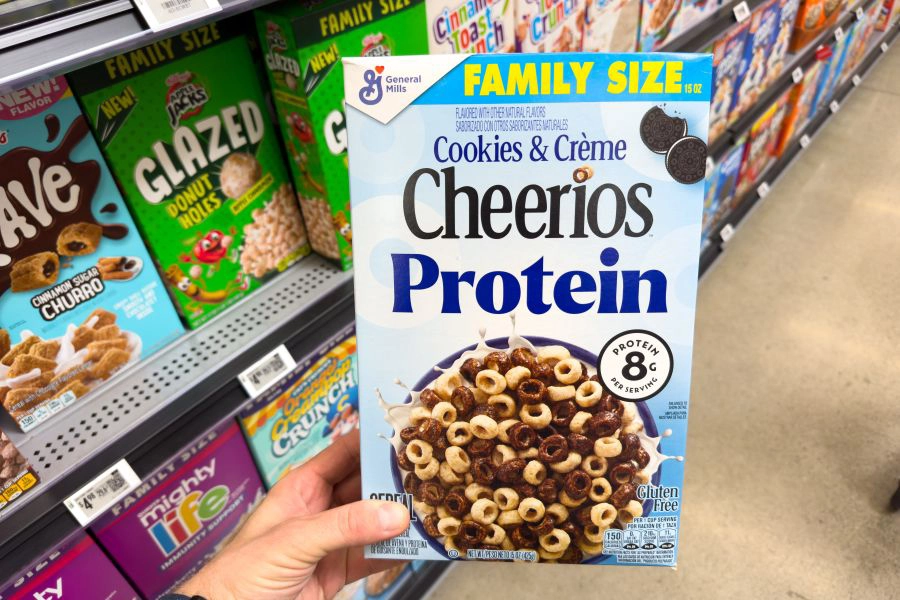
She notes that Gen Z and Millennials increasingly adhere to a high-protein diet while also seeking products with fiber and gut health claims. “They have daily protein targets to hit but increasingly expect products to bundle various nutritional benefits into a single, convenient format.”
“High-protein yogurts are a perfect canvas for the protein trend. These everyday staples are being adapted into functional powerhouses, curbing mid-afternoon cravings with spoonable ‘al-desko’ formats or providing micro-moments of nutrition through drinkable ‘on-the-go’ options,” says Van der Horst.
Consumers seek to get more value from each bite or sip, rather than just adding more protein, and this change is also evident in sports nutrition, she adds.
 Nutrition companies are gearing up with protein- and fiber-focused innovations, as consumers increasingly seek healthspan benefits, personalized nutrition, and clinically backed ingredients.“Once reserved for performance contexts, they are now firmly embedded in everyday lifestyle routines, prompting formulations that pair whey protein with pre- and probiotics to support gut-muscle health.”
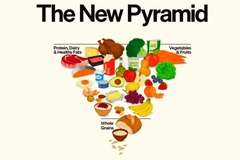
Meanwhile, the new Dietary Guidelines for Americans 2025–2030 push consumers to “eat real food,” prioritizing protein, full-fat dairy, and whole foods while limiting processed products and added sugars.
Healthspan in focus
Shelby Linville, associate director of global product marketing at Lonza Capsugel, suggests keeping a close eye on healthspan — “the number of years lived in good health.” This has been shaping how consumers approached wellness over the last year.
“Looking ahead, this presents a clear opportunity for brands to help consumers achieve their wellness goals more effectively by offering solutions that prioritize long-term wellness and quality of life.”
Citing Lonza’s proprietary data of almost 1,500 people, she says: “Forty-two percent of consumers aged 25–73 believe joint health is ‘extremely important’ for their overall health and wellness. This highlights a clear opportunity for brands to create targeted solutions that tap into a subcategory of the longevity health trend, like joint health and mobility.”
Furthermore, Linville states that emotional wellness will be another major focus point. This includes mood or happiness, which is expected to continue surging this year. Cognition and mental health are essential to self-care among consumers.
“Lonza Capsugel’s proprietary consumer data shows that 80% of US consumers prioritize their physical and mental health equally. Innovative brands should think about how they can harness this high-growth market,” says Linville.
For instance, she suggests that brands could use powerful ingredients, such as ashwagandha or magnesium, to support global consumers whose lives have been impacted by stress.
“Another area primed for growth is women’s health. Women are the largest consumers of dietary supplements, yet many of their health needs remain a small focus within the nutraceutical market.”
“Brands can turn this demand into an opportunity to stand out in 2026 by tailoring supplements to suit their specific needs,” suggests Linville, pointing to the fact that many women seek life-stage-specific products.
“With nearly 80% of women saying that proactive health management is important to them, creating products that support long-term well-being is key to success.”
Kerry suggests key focus areas for food for health and longevity include affordable nutrition, cognitive health, gender-based health, gut health, and weight management drugs.
 Protein, fiber, and healthspan-focused ingredients are shaping next-generation food and supplement formats.“Nutrition equity is rapidly becoming a global policy priority, not only because health is holistic — spanning mental, physical, and social well-being — but because glaring inequalities persist both within countries and among them, particularly across low- and middle-income countries,” comments professor Martin Bloem at Johns Hopkins Bloomberg School of Public Health, US.
“As cost-of-living pressures rise worldwide, people increasingly seek nutrition that is both functional and affordable. Addressing this requires integrated approaches across affordable nutrition, immune and gut health, cognitive health, gender-responsive solutions, reformulation, and responsible deployment of weight-management innovations such as GLP-based medications.”
Fiber-maxxing formulation opportunities
Van der Horst points out that fiber is gaining a new image, now becoming one of the top ingredients nutrition consumers seek.
“Influenced by the viral ‘fiber-maxxing’ trend and a new wave of social media ‘gut experts,’ consumers are increasingly aware that the gut microbiome is the cornerstone of holistic well-being.”
“It’s no longer just about fiber quantity but the role different fibers play across gut-brain, gut-immune, and gut-muscle pathways,” she says. “Manufacturers are responding by prioritizing science-backed prebiotic fibers like galacto-oligosaccharides (GOS) that deliver benefits beyond basic digestion, transforming familiar foods into multi-functional wellness solutions.”
According to Van der Horst, brands have an opportunity to make fiber more accessible and enjoyable. For instance, leading formulators are combining prebiotic fiber into trendy applications, such as prebiotic-enhanced teas, high-protein snack bars with added GOS, and ready-to-drink (RTD) beverages that combine protein with digestive support.
“As the fiber-maxxing trend evolves, success will hinge on combining fun and functionality to make targeted fiber choices feel relevant, rewarding, and easy to adopt in everyday routines,” she adds.
Clinically-backed ingredients
Suppliers should choose clinically backed and trusted ingredients for the longevity category, according to Linville, who spotlights collagen.
“As a nutritional supplement, collagen is widely recognized for its benefits across multiple health areas, including skin and hair health, as well as joint health and mobility. In the context of joint health, products containing collagen are among the fastest-growing in the supplements market today.”
 GLP-1s are creating demand for companion products that deliver essential nutrients.“But with so many collagen types available, suppliers must prioritize those with proven, science-backed benefits. For instance, Lonza Capsugel’s UC-II undenatured type II collagen is the most researched brand of undenatured type II collagen, backed by two decades of research and more than 20 studies, including 11 human clinical trials. It is clinically studied to improve joint flexibility and comfort,” she details.
Next-gen multi-functional formats
The experts also point to a demand for multifunctional supplements and experiential formats as a novel trend.
“Cutting-edge technologies that enable the delivery of multiple ingredients in one convenient dose are therefore in high demand, such as Lonza Capsugel’s DuoCap dual-release capsules,” highlights Linville.
“This dual-capsule system allows brands to encapsulate incompatible ingredients within a single dosage form, enabling the delivery of multi-ingredient, multi-benefit supplements that support consumers’ holistic health needs.”
Meanwhile, technologies that improve supplements’ sensory experience are also gaining traction, says Linville. Lonza Capsugel’s AromatiQ technology, an aroma capsule coating that improves the sensory appeal of supplements, is one example.
GLP-1s creating market gaps
According to Van der Horst, the emergence of GLP-1 agonists has dramatically changed the field of nutrition.
“These medications are rewiring how millions of people eat, suppressing appetites and nudging users toward smaller, less frequent meals. But here’s the catch: less food means fewer nutrients, with studies showing that 40–60% of weight loss from GLP-1 usage can come from muscle loss rather than fat.”
“This creates an urgent need for companion products that deliver essential nutrition in more controlled, compact portions,” she says. “Think protein-rich bars with sustained-release caseinates, ‘mini’ RTD shakes that pack in 20–25 g of protein and functional coffee drinks that balance convenience with nutritional density.”
Above all, these products need to satisfy the trifecta of indulgence, nutrition, and satiety because, as Van der Horst stresses, taste becomes more important when people eat less.