- Industry news
Trending now
- Category news
- Reports
Trending now
- Key trends
Trending now
- Multimedia
Trending now
- Journal

- Events
Trending now
- Suppliers
Trending now




- Home
- Industry news
Trending now
- Category news
- Reports
Trending now
- Key trends
Trending now
- Multimedia
Trending now
- Events
Trending now
- Suppliers
Trending now
Extra virgin olive oil touted for functional benefits thanks to bioactive compounds
Key takeaways
- EVOO contains oleocanthal, a bioactive compound that works on the same pathways as ibuprofen, positioning it as a functional, food-based alternative for managing pain and inflammation.
- Its monounsaturated fats and polyphenols help lower LDL cholesterol, boost antioxidants, reduce hunger hormones, and trigger the release of GLP-1, linking EVOO to satiety, blood sugar control, and cardiovascular benefits.
- According to Canaan Palestine, polyphenol retention depends heavily on harvest timing, cultivation practices, and minimal processing, with regenerative farming enhancing both nutrition and supply chain resilience.
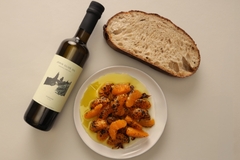
New research is exploring methods to extract oleocanthal from olive oil, which may offer more effective anti-inflammatory benefits than ibuprofen. And according to Dr. Nasser Abufarha, founder and director of Canaan Palestine, a shot of olive oil a day is an optimal way to support health. The company specializes in olive oil and is headquartered in Jenin, Palestine. It sources olive oil and all other ingredients from family farms across the West Bank of the country.
Since the launch and development of its range of products, Canaan Palestine’s extra virgin olive oil (EVOO) has been helping to reduce pain and inflammation, as well as supporting weight management and immune function.
Abufarha has observed that simply swapping usual cooking oil for EVOO lowers inflammatory markers and increases antioxidant defenses, making movement easier.
“EVOO contains the natural compound oleocanthal, which works on the same pathways as ibuprofen. Research is now exploring methods to extract oleocanthal from olive oil, which might offer more effective anti-inflammatory benefits than ibuprofen. Furthermore, this process creates no chemical waste, and you can still consume the olive oil after extraction, making it more eco-friendly and sustainable than taking over-the-counter pain meds,” he says.
EVOO contains a cocktail of monounsaturated fatty acids (MUFAs). These properties lower harmful LDL cholesterol and raise beneficial HDL cholesterol, paired with heart-healthy fats and a rainbow of polyphenols and antioxidants. All together, this blend creates a natural trigger that tells the gut to release more GLP-1, the very hormone behind feeling fuller, longer.
Olive oil is also rich in phenolic compounds, which studies have shown are properties that help reduce beta-amyloid plaques, neuroinflammation, and oxidative stress; all components of a decline in cognitive function and memory loss.
Nutrition Insight speaks with Abufarha on olive oil’s health benefits and beyond.
Which bioactive compounds in EVOO are most compelling for functional food and supplements?
.JPG) Dr. Nasser Abufarha, founder and director of Canaan Palestine, says a shot of olive oil a day is an optimal way to support health.Abufarha: EVOO is rich in antioxidants that are most compelling for both food taste and health benefits. The main bioactive compounds include hydrophilic phenols, which are crucial in determining the quality of the oil based on their sensory characteristics, such as bitterness, pungency, and stability. They also determine the characteristics of the aroma and flavor of each olive oil. The oxidative stability of extra virgin olive oil depends not only on the olive variety and quality but also on the “harvesting time, cultivation process, and the degree of unsaturation and the levels of antioxidants present from tocopherols, hydrophilic phenols, and carotenes” according to the National Institutes of Health (NIH).
Dr. Nasser Abufarha, founder and director of Canaan Palestine, says a shot of olive oil a day is an optimal way to support health.Abufarha: EVOO is rich in antioxidants that are most compelling for both food taste and health benefits. The main bioactive compounds include hydrophilic phenols, which are crucial in determining the quality of the oil based on their sensory characteristics, such as bitterness, pungency, and stability. They also determine the characteristics of the aroma and flavor of each olive oil. The oxidative stability of extra virgin olive oil depends not only on the olive variety and quality but also on the “harvesting time, cultivation process, and the degree of unsaturation and the levels of antioxidants present from tocopherols, hydrophilic phenols, and carotenes” according to the National Institutes of Health (NIH).
Oleocanthal is often compared to ibuprofen for its anti-inflammatory activity. How strong is the evidence?
Abufarha: Oleocanthal is still being studied as an alternative in EVOO as opposed to using ibuprofen. This extract is being researched as a potential alternative to provide more effective anti-inflammatory results, similar to those of well-known drugs such as ibuprofen. However, only high-quality pressed EVOO contains this powerful oleocanthal.
How do you see olive oil fitting into weight management or blood sugar–focused formulations?
Abufarha: EVOO benefits metabolism and hormones, helping to manage weight gain, and has been shown to reduce ghrelin levels, the hormone responsible for triggering hunger. The monounsaturated fats in olive oil, especially oleic acid, help slow the rate at which food leaves the stomach, which can reduce hunger.
EVOO also promotes the release of GLP-1, a hormone that signals fullness. Oleic acid in the oil interacts with cells in the small intestine, triggering the secretion of GLP-1 and making an individual feel full. Using fresh, high-quality EVOO ensures that these potent compounds remain intact, as opposed to those found in overprocessed olive oils. Additionally, olive oil contributes to serotonin production by supporting a healthy gut environment.
Polyphenols are frequently highlighted as a key differentiator for high-quality olive oils. What factors across cultivation, harvest, and processing most influence polyphenol retention?
Abufarha: The cultivation and processing techniques of polyphenol retention are crucial for preserving the benefits of EVOO. Variables like water stress, excessive sun exposure, extreme temperatures, and nutrient availability significantly impact polyphenol production in crops. Also, cultivation practices, such as conventional or organic systems, can influence the polyphenolic content in fruits and vegetables, including olives.
The retention level of polyphenols plays a significant role in determining the health benefits of EVOO, making the harvesting process crucial. According to the NIH, “oleuropein, hydroxytyrosol, and their derivatives are polyphenolic compounds that are abundant in olive oil. They are powerful antioxidants displaying anticancer, anti-angiogenic, and anti-inflammatory properties.”
Which health areas do you believe are underexplored opportunities for EVOO-based ingredient innovation?
Abufarha: Regular consumption of EVOO can provide constant nutrition for the brain, which helps support memory and cognitive functions. This is especially helpful when someone is on a reduced-sugar or no-sugar diet for weight loss. Olive oil provides a steady stream of brain-healthy nutrients that support brain health.  (1).jpg) Canaan Palestine’s lineup of olive oils come from ancient Palestinian groves.
Canaan Palestine’s lineup of olive oils come from ancient Palestinian groves.
From a sustainability and sourcing standpoint, how do regenerative agriculture and traditional olive groves contribute to both nutritional quality and supply chain resilience?
Abufarha: By sourcing olives through regenerative methods, producers can reinforce their commitment to sustainability, quality, and the health benefits associated with these practices. Regenerative farming provides olive growers with a means to enhance soil health, conserve water, and improve olive oil quality while reducing their reliance on synthetic inputs. By focusing on methods like no-till farming, cover cropping, and compost application, farmers can create healthier ecosystems that support long-term productivity. Key benefits include improved soil health, enhanced water conservation, and higher-quality olives, as well as cost savings.
For food and nutraceutical developers looking to incorporate olive oil or olive-derived ingredients, what practical considerations, such as sensory impact, shelf life, and regulatory positioning, should they keep top of mind?
Abufarha: Developers need to be aware of the shelf life of EVOO to maintain optimal taste and quality by storing it properly. Olive oil must be stored at temperatures between 8 and 20 degrees Celsius. Additionally, olive oil should not be exposed to oxygen during storage in bottles or other containers. Exposure to elements such as heat, air, and light can cause oxidation, which speeds up the process of the oil turning rancid.
When stored in ideal conditions, a good quality EVOO can last for up to two years. These “ideal storage conditions” are generally how producers store EVOO, not how we store it at home. For instance, manufacturers may store their EVOO in stainless steel tanks within temperature-controlled environments, thereby limiting exposure to oxygen, heat, and light.